History for travelers
Nepal: a brief history.
Ancient Valley civilizations, the Malla kingdoms, Gorkha expansion, monarchy, democratic movements and today’s federal republic.
Nepal’s past is larger than one dynasty.
The modern state emerged from many kingdoms, trading centers, language communities and sacred landscapes.
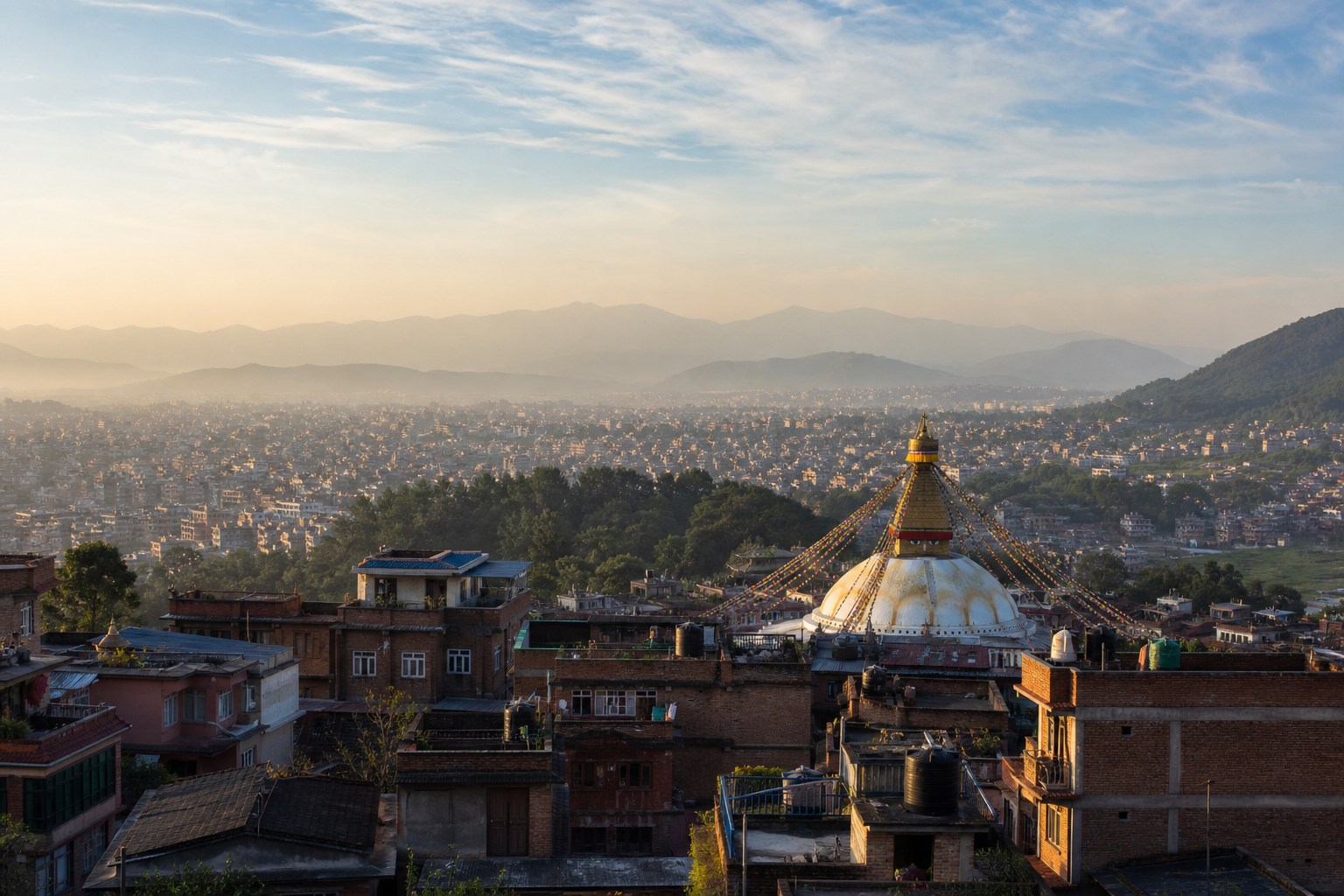
Kathmandu Valley and the Durbar Squares
Kathmandu, Patan and Bhaktapur developed as royal cities. Their palace courtyards, temples and public spaces were shaped by generations of Newar architects, craftspeople and ritual traditions.
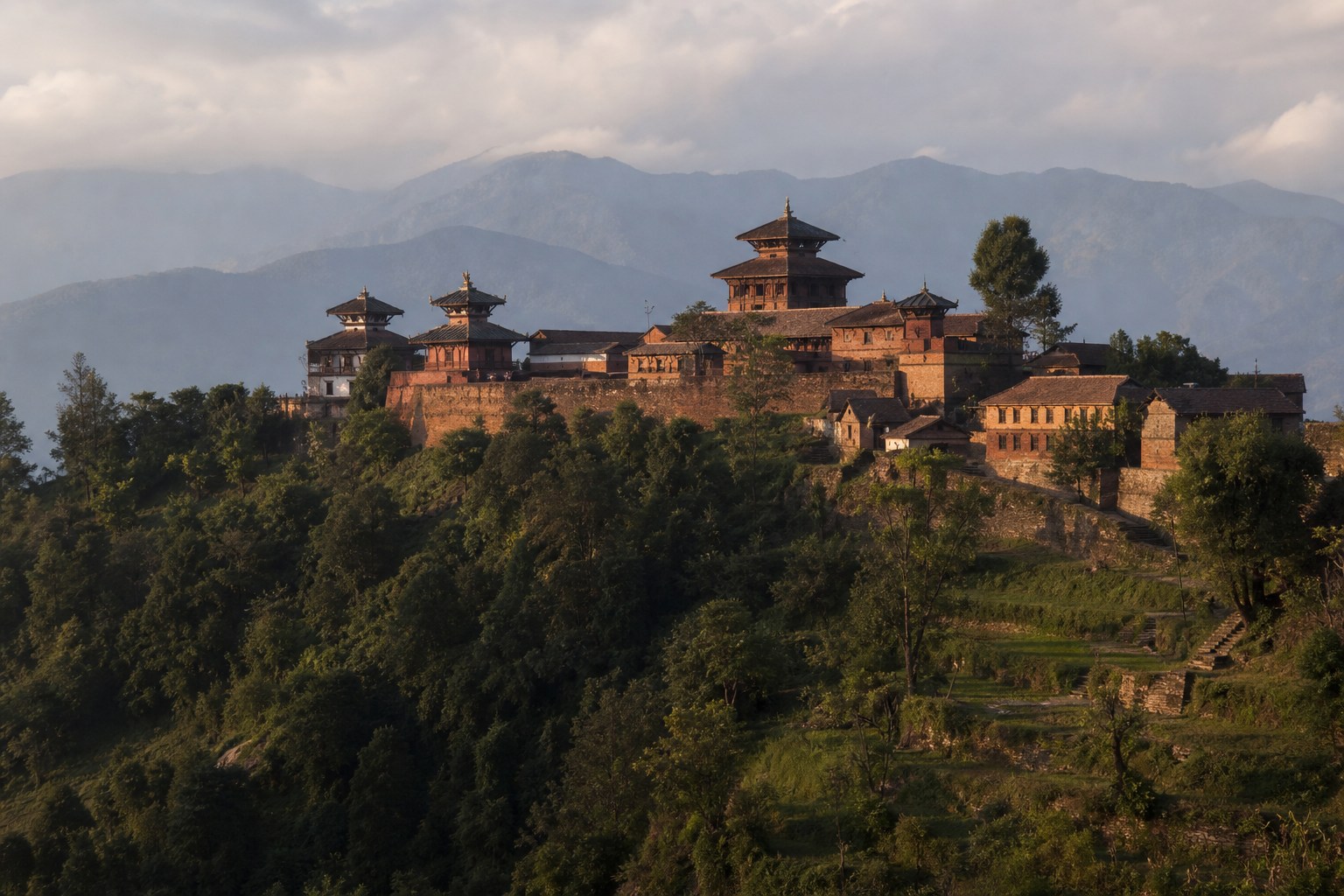
Gorkha and Prithvi Narayan Shah
The hill kingdom of Gorkha became the base for campaigns that brought the Kathmandu Valley under Shah rule in 1768–69 and laid the foundation of the modern state. The process is remembered as unification and can also be understood as conquest and expansion.

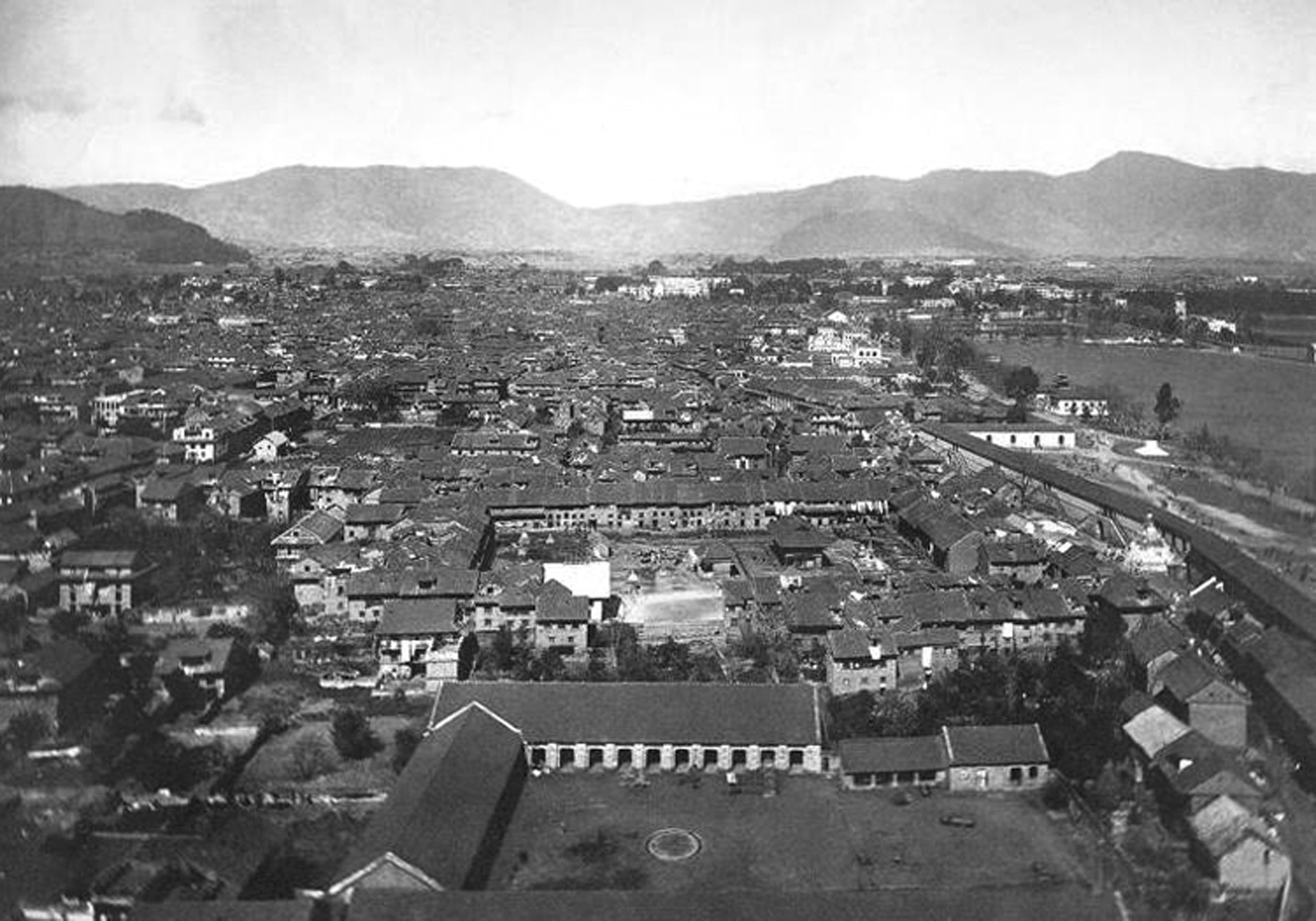
When people carried cars into Kathmandu
Before a motor road connected Kathmandu with the plains, teams of porters carried stripped-down cars over the Bhimphedi–Valley mountain route using long supporting poles. Imported machinery depended on difficult, poorly paid human labor.
“Nepali men carrying car to Kathmandu” — video hosted by YouTube and credited to Glamour Nepal. YOLO Nepal does not host or claim ownership of the footage.
A compact timeline
Early Nepal · before approximately the 4th century CE
Long-settled Valley communities linked South Asian and Himalayan worlds.
Licchavi era · approximately 4th–9th centuries
Inscriptions, trade, sacred institutions and artistic traditions expanded.
Malla period · approximately 12th century–1769
Kathmandu, Patan and Bhaktapur flourished as royal and artistic centers.
Gorkha expansion and Shah rule · 1740s–2008
Prithvi Narayan Shah’s campaigns brought the Kathmandu Valley under Shah rule in 1768–69. The Shah monarchy continued, with major changes in political power, until Nepal became a republic in 2008.
Rana rule · 1846–1951
Hereditary prime ministers concentrated political power for more than a century.
Democratic change, royal rule and conflict · 1951–2006
Democratic experiments, royal rule, public movements and armed conflict reshaped the state.
Peace process and federal republic · 2006–today
The 2006 peace process was followed by the end of the monarchy and declaration of a republic in 2008. The 2015 Constitution established Nepal’s present federal democratic republican framework.
References: Nepal Tourism Board · UNESCO · Nepal Law Commission · Nepali Times car-porters history
 YOLO Nepal